



Works Across
Popular Trading PlatformsA Structured Approach to Understanding the Markets
Trading the markets is not about prediction or impulse — it is about clarity, structure, and the ability to interpret what is happening beneath the surface. At Trading Hedge Strategy, our work focuses on helping traders move beyond guesswork and approach the markets with a more methodical and research-driven mindset.
Our methodology combines hedge-based principles, strategic analysis, and real-market adaptability to create a framework that can respond to evolving conditions. Instead of relying on shortcuts or rigid formulas, we emphasize understanding market behavior, recognizing how structure influences decisions, and applying a consistent and disciplined approach throughout different trading environments.
This philosophy guides everything we teach. Whether you are new to trading or refining an existing approach, our aim is to help you develop the awareness, confidence, and strategic discipline needed to navigate the markets responsibly and with purpose.
If you want to understand the foundation behind our work, the ideas that shaped this methodology, and the principles that guide our educational approach, you can learn more by exploring our story and vision.
Our Services
Guiding you through clear models, responsible decision-making, and practical skill development.
Core Trading Foundations
We teach market structure, trend mechanics, and execution logic, the elements that separate random trading from repeatable performance.
Personal Trading Mentor
Focused one-to-one guidance to apply the strategy correctly, avoid costly mistakes, and trade with structure and confidence in real market conditions.
Master Trader Coaching
Refine your execution, and build disciplined trading habits. Identify what works, and gain control to perform consistently in any market.
Performance Optimization
Turn data into action. We analyze past performance, optimize your strategy, and build a framework that delivers consistent, reliable results.
Custom Strategy Design
Custom strategies that fit you, not the other way around. Optimize performance, control risk, and trade with confidence in every market.
Capital Allocation Strategy
By distributing risk intelligently and adapting to market shifts, you build a resilient, trading plan designed for consistent long-term growth.

Strategy Roadmap
A detailed overview of how we research, test, and refine our trading methodologies. This roadmap explains the full development process, from initial analysis to practical application in real market conditions.
The beginning of beginnings
P0Trading blends analytical skill with disciplined execution, supported by a strong understanding of how markets behave. A successful trading journey begins with a solid educational foundation—insights gathered from books, research, and expert studies. These resources shape the strategies, perspectives, and mindset needed to navigate financial markets responsibly. Through continued study and ongoing learning, traders strengthen their ability to adapt, improve, and operate with confidence.
Backtesting basics
P1Backtesting is the process of evaluating a trading strategy using historical market data to understand how it might have performed in the past. It helps reveal a strategy’s strengths, weaknesses, and overall behavior under different conditions. By testing various parameters and comparing outcomes, traders can refine and strengthen their approach. However, backtesting has inherent limitations—such as data inaccuracies, curve fitting, and survivorship bias—so results must always be interpreted with caution. It is a valuable tool, but it should never be used as the only form of validation.
Optimization methods
P2Optimization Methods involve adjusting strategy parameters to identify combinations that align with specific performance objectives. This process helps improve consistency, efficiency, and overall behavior under different market conditions. Techniques such as brute-force testing, genetic algorithms, and machine learning can be used, each offering its own balance of speed, complexity, and precision. The chosen method depends on the strategy’s structure and the goals of the optimization process.
Portfolio diversification
P3Portfolio diversification involves combining trading approaches that behave differently across market environments, helping distribute exposure and reduce concentration risk. By integrating strategies that operate on various markets, timeframes, and signal types, diversification supports a more balanced and stable portfolio structure. It can also help smooth performance fluctuations and improve adaptability during shifting market conditions. Effective diversification, however, requires ongoing oversight, periodic rebalancing, and thoughtful adjustments to ensure the overall portfolio remains aligned with its objectives and current market dynamics.
Strategy selection
P4Strategy selection involves evaluating which trading approaches align best with the results obtained through backtesting and optimization. This process helps identify methods that demonstrate consistency, stability, and compatibility with the overall objectives, while filtering out those that show irregular or unsuitable behavior. Because each strategy has different characteristics, selection naturally requires balancing trade-offs — such as choosing between smoother performance or greater variability, depending on the goals and risk tolerance of the trading framework.
Strategy adaptation
P5Strategy adaptation involves adjusting trading approaches to align with evolving market conditions and behavioral shifts. This process helps maintain flexibility, prevent stagnation, and ensure strategies remain structurally sound as environments change. Adaptation supports responsiveness to new patterns and conditions, but it also requires ongoing research, careful analysis, and thorough testing to confirm that any adjustments contribute positively to the strategy’s overall framework.
Strategy evaluation
P6Strategy evaluation involves analyzing the behavior and consistency of the Trading Hedge Strategy using a range of metrics, such as profit factor, drawdown characteristics, and overall execution patterns. By reviewing how the strategy responds across different market categories— including Forex, metals, indices, commodities, and cryptocurrencies — we gain a clearer understanding of its strengths, limitations, and adaptability. This evaluation process helps determine how the strategy performs under various conditions and ensures that its design remains aligned with our objectives for structure, clarity, and responsible risk awareness.
Final strategy
P7The final strategy represents the outcome of all six development stages, where each step contributes to shaping a structured and well-evaluated framework. After completing the processes of research, testing, refinement, and optimization, the Trading Hedge Strategy is formed as a cohesive methodology that reflects the insights gained throughout these phases. It incorporates elements that demonstrated stability during testing and aligns with the analytical goals defined earlier in the development process. As markets evolve, the strategy remains subject to ongoing review and adaptation, ensuring it continues to operate within its intended framework. The result is a carefully constructed approach built through extensive analysis, iterative improvement, and methodical evaluation—providing traders with a clear structure for applying the strategy in different market environments.
Multi-Asset
The Trading Hedge Strategy can be adapted across multiple market categories, depending on volatility, liquidity, and trading conditions.

Metals
Forex
Crypto
Indices
Commodities
Commonly Applied to Major Metals
Gold, Silver...

Supports Trading Across Multiple FX Categories
EUR/USD, GBP/JPY...

Compatible With Leading Digital Assets
BTC, ETH...
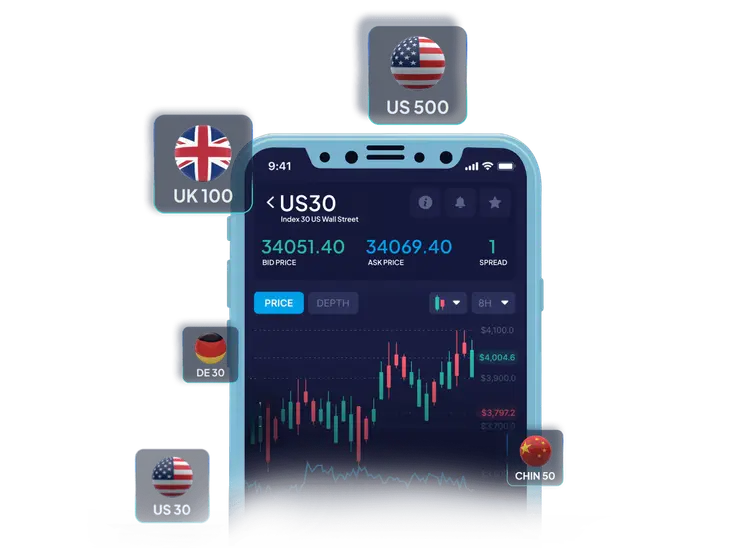
Index Market Coverage Includes
NASDAQ, DAX...
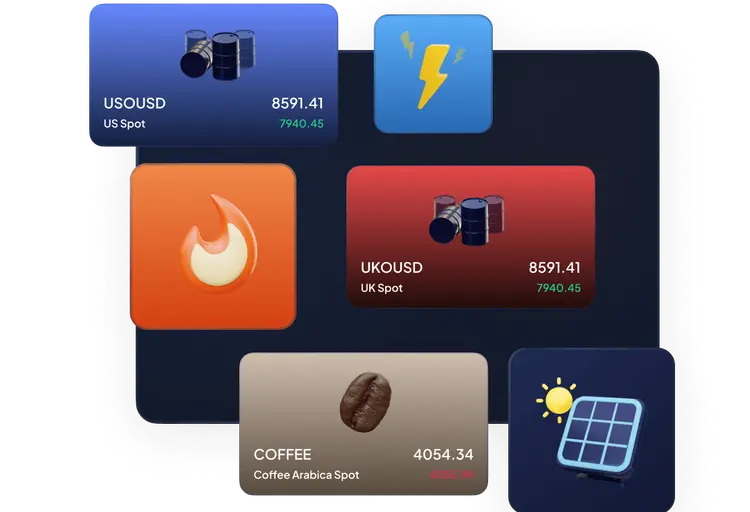
Applicable to Key Commodity Markets
Oil, Natural Gas...
Our Pricings Plan
Our pricing plans are designed to provide structured educational support, practical guidance, and strategy-focused learning tailored to different stages of your trading development.
Standard
500/USD
-
Market Analysis
-
Risk Management
-
Discipline of Trading
-
Market Structure & Entry Setup
-
Psychology of Trading
-
One-on-One Trading Guidance
-
Trading Signal
-
Intraday Trade Alerts
-
Full Acces to Trading Hedge Strategy -
Entire step-by-step strategy -
24/7 Technical Support -
Personal Account Manager -
Money Management -
Maximizing Trading Performance
Premium
700/USD
-
Market Analysis
-
Risk Management
-
Discipline of Trading
-
Market Structure & Entry Setup
-
Psychology of Trading
-
One-on-One Trading Guidance
-
Trading Signal -
Intraday Trade Alerts -
Full Acces to Trading Hedge Strategy
-
Entire step-by-step strategy
-
24/7 Technical Support
-
Personal Account Manager -
Money Management -
Maximizing Trading Performance
VIP
1000/USD
-
Market Analysis
-
Risk Management
-
Discipline of Trading
-
Market Structure & Entry Setup
-
Psychology of Trading
-
One-on-One Trading Guidance
-
Trading Signal
-
Intraday Trade Alerts
-
Full Acces to Trading Hedge Strategy
-
Entire step-by-step strategy
-
24/7 Technical Support
-
Personal Account Manager
-
Money Management
-
Maximizing Trading Performance

Market Drivers & Price Reaction
Understand how major economic events, macro releases, and geopolitical developments translate into real market behavior.
Why Most Traders Obsess Over Profit
Most traders enter the market with one objective: to make money. This seems obvious, logical, and even
admin
January 7, 2026

Why Risk-of-Ruin Is Ignored by Retail
Risk-of-ruin is one of the most important concepts in trading, yet it is rarely discussed seriously in
admin
January 7, 2026
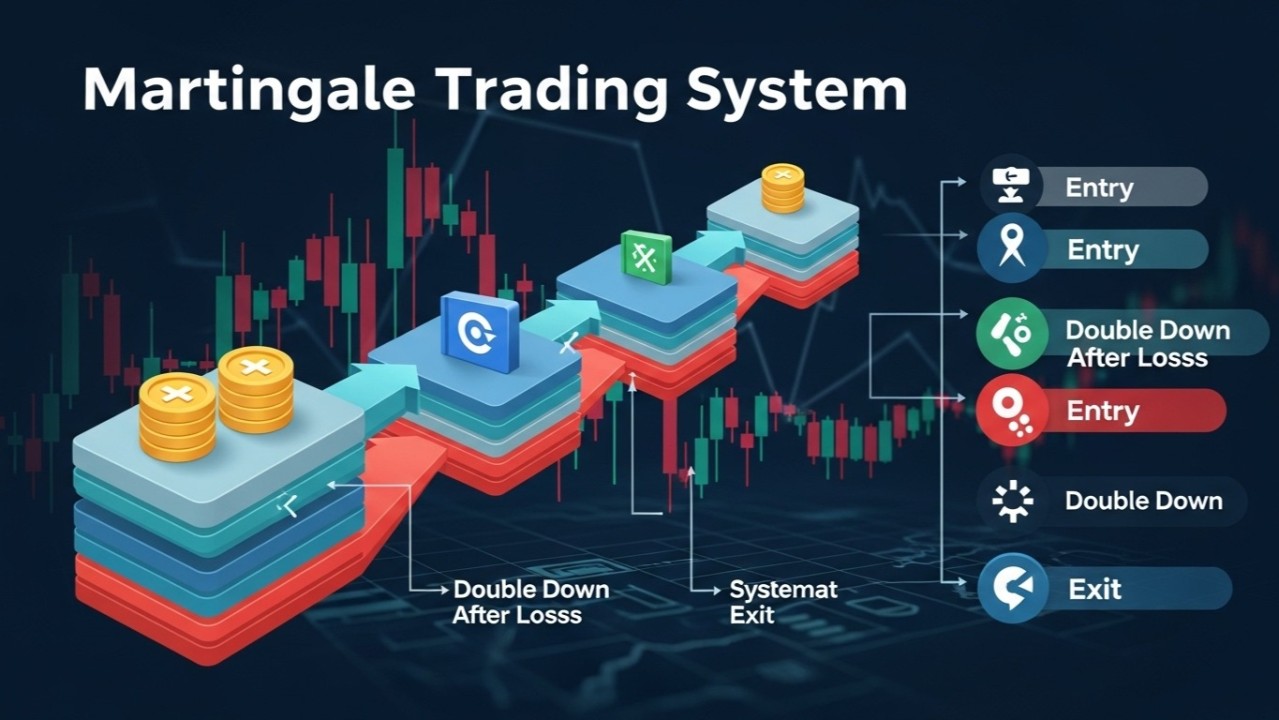
Martingale and Grid Systems
Martingale and grid systems are among the most popular automated trading approaches, especially in retail environments. They
admin
January 7, 2026

Trading Robots and the Illusion of
Trading robots and Expert Advisors are often marketed as the ultimate solution to human weakness. They promise
admin
January 7, 2026
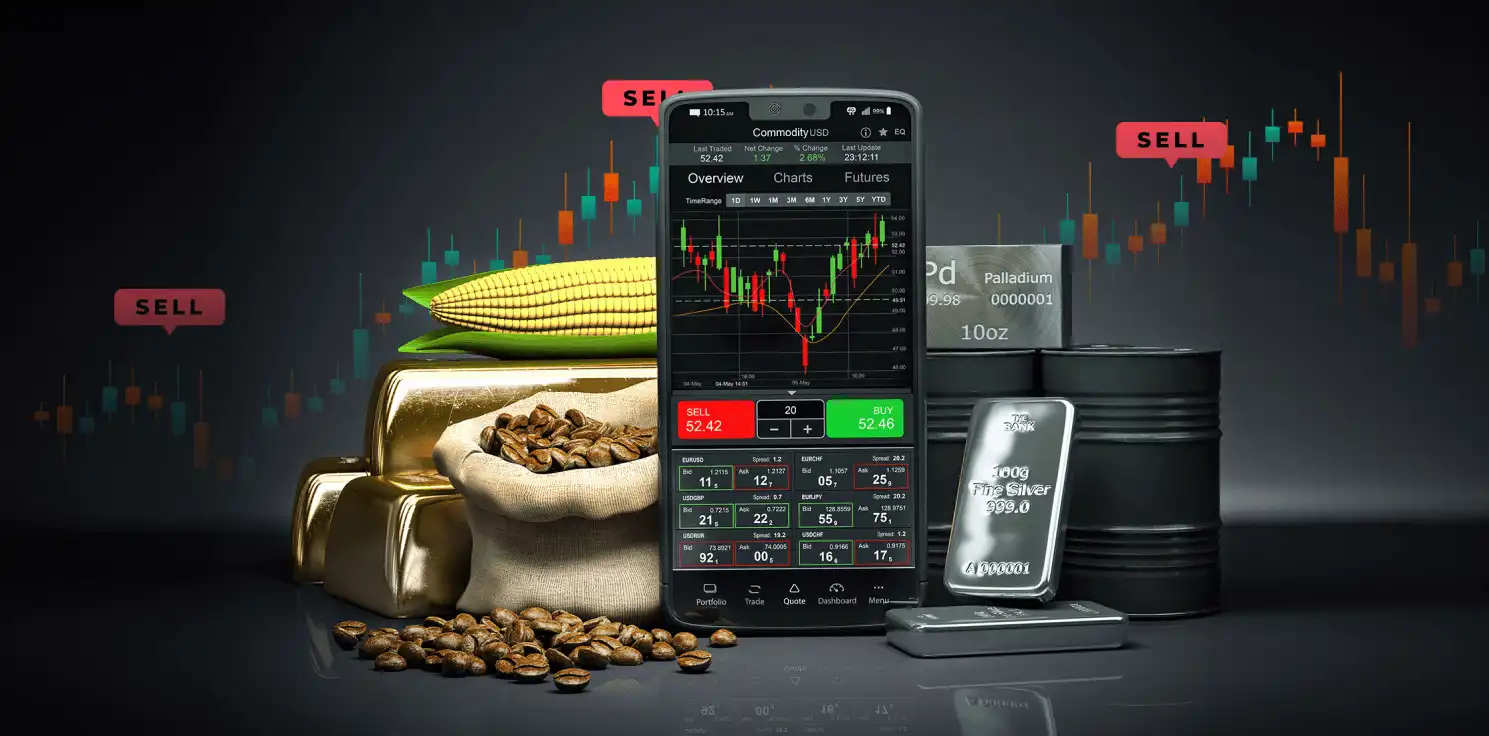
Reaction-Based Trading in Commodity Markets
Commodities are often treated as reactionary markets. Prices appear to move in direct response to visible catalysts
admin
January 7, 2026
Indices and the Limits of Trend
Indices are often perceived as the cleanest and most reliable markets to trade. Built from baskets of
admin
January 7, 2026

The Illusion of Stability in Stock
Stocks are widely perceived as the most rational and stable segment of the financial markets. Company fundamentals,
admin
January 7, 2026

Forex and the Illusion of Simplicity
Forex is where most people think they understand trading — which makes it perfect for exposing false
admin
January 2, 2026

The Problem of Structural Imbalance on
Oil trading is not difficult because of volatility, but because it reacts violently to imbalance and positioning
admin
January 2, 2026

Trading Crypto and the Cost of
Crypto markets don’t destroy traders because of volatility — they destroy them because of overexposure and emotional
admin
January 2, 2026Our Clients Testimonials
Read feedback from traders who have used our educational framework and support. These testimonials reflect individual experiences with our structured approach and guidance.
What I appreciate most is the balance between structure and flexibility. The strategy explains how to combine technical context with real market drivers without over-complicating decisions.
Jean-Luc Moreau
FranceThe framework feels practical and grounded. The trading hedge strategy is explained clearly and helps reduce stress when price action becomes unpredictable.
Ethan Walker
CanadaExecution details like spread, swap, and leverage are addressed realistically. These aspects are often ignored, yet they have a direct impact on how strategies behave in live markets.
Mateo Silva
ArgentinaFor someone at the beginning of their trading journey, the examples and explanations are very helpful. Complex concepts are broken down into steps that are easy to follow.
Johan Lindström
SwedenI found the sections about handling imperfect entries especially useful. Having predefined response scenarios makes it easier to act calmly instead of reacting emotionally.
Tariq Bakr
EgyptThis approach focuses on balance rather than extremes. The way technical tools, market context, and position sizing are combined shows a solid understanding of risk management.
Sebastian Müller
GermanyWhat stands out is the emphasis on structure and discipline. It’s not just about outcomes, but about building a repeatable and rational decision-making process.
Oliver Lambert
New ZealandThe strategy documentation covers a wide range of instruments, from forex to crypto, while still explaining how behavior differs between markets. That context adds a lot of value.
Rajesh Patel
IndiaClear guidelines around volume ratios and protective positions make the framework easy to apply. It feels practical rather than theoretical.
Viktor Jensen
DenmarkThe short-term focus is well explained, especially through examples. Entry, exit, and reaction scenarios are presented in a way that helps refine timing and execution.
Hiroshi Tanaka
JapanEven traders not actively using hedging concepts can benefit from this approach. The emphasis on diversification and exposure control adds an extra layer of stability.
William Johnson
USAAnyone interested in hedging or not should buy this strategy. Flexibility and defense against market volatility are ensured by the focus on using diversified currency pairs and commodities like gold and crude oil.
Emmanuel Okafor
NigeriaAttention to details like fees, spreads, and leverage shows a realistic view of trading. These factors are often underestimated, yet they shape long-term consistency.
Liam O'Sullivan
IrelandFor traders who value clarity and preparation, this strategy offers a solid foundation. The structured examples help reduce uncertainty and improve confidence in execution.
Carlos Mendoza
Mexico
Frequently Asked Questions
Hey there! Got questions? We've got answers. Check out our FAQ page for all the deets. Still not satisfied? Hit us up.
The Hedge Trading Strategy involves opening two positions simultaneously with different volumes to protect against market volatility and reduce risk. It’s designed for short-term, intraday trading.
The strategy can be started with as little as $250, but optimal performance is seen with $1,000–$5,000 depending on the instrument and volume size.
Forex, Gold, Oil, major indices, and high-liquidity cryptocurrency pairs. These markets provide the volatility necessary for controlled hedging.
Backtesting is strongly recommended to understand behaviour across different market conditions and to ensure the trader is confident with scenario responses.